Read in English | Lire en Français | Leer en Español | Lesen auf Deutsch | Leggi in Italiano | 日本語で読む | 한국어로 읽기
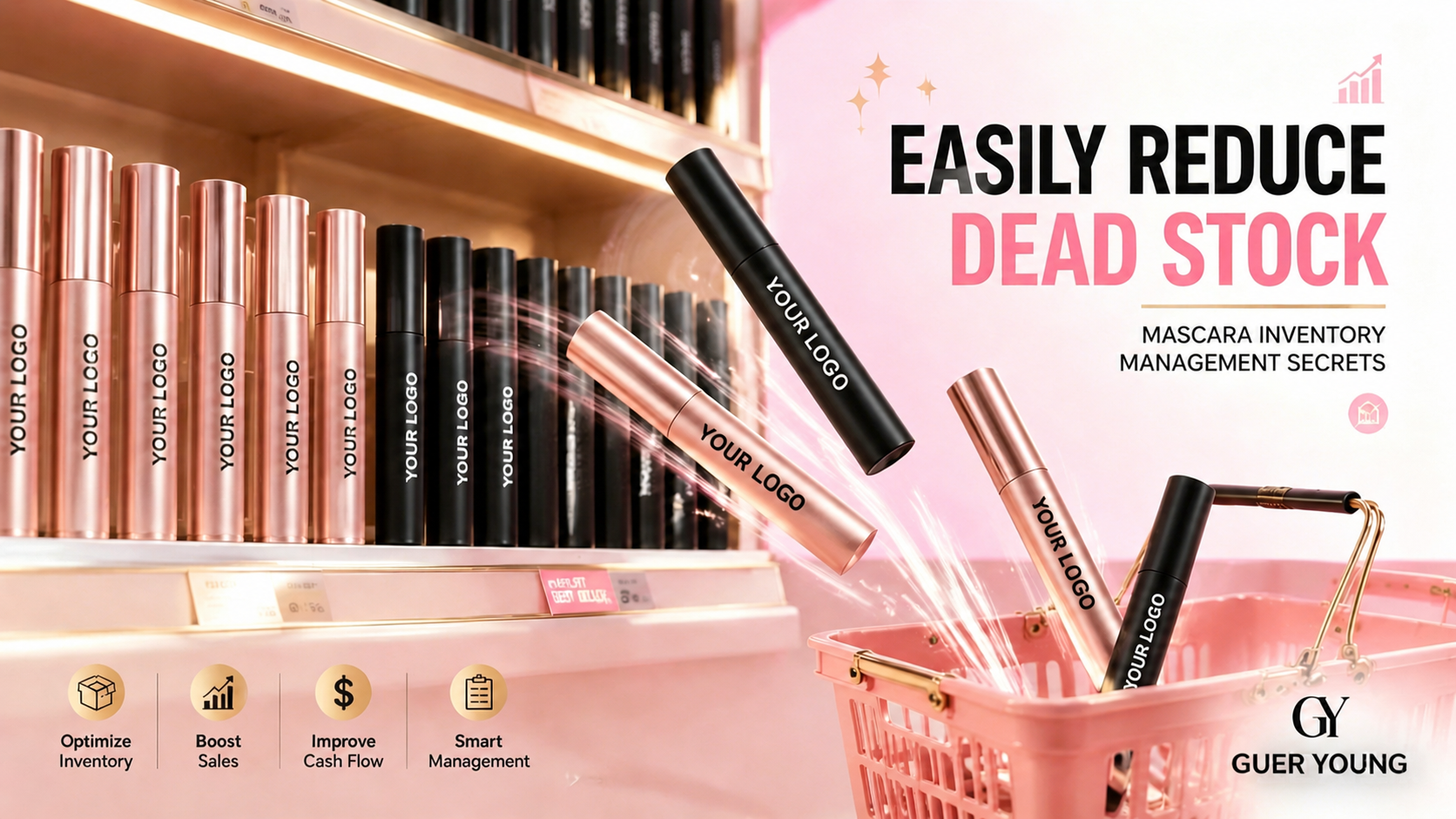
In the cosmetics industry, inventory management is a critical challenge for suppliers and retailers. Products like mascara, if left unsold, not only tie up capital but also risk expiration, affecting brand reputation. GUER YOUNG cosmetics suppliers have analyzed the successful distribution strategies of SalonCentric and summarized several effective approaches to reduce unsold mascara inventory, providing useful insights for the industry.
1. Digital Platforms and Online Sales to Improve Inventory Turnover
During the pandemic, many hair salons relied on digital systems to maintain operations. SalonCentric utilized a mature B2B online platform and CRM system to enable fast order replenishment and track client preferences. Lessons for managing mascara inventory include:
Establish an online ordering system: Retailers can view real-time stock levels and place orders as needed, preventing unnecessary overstock.
Data-driven sales management: Analyze customer purchase preferences and recommend products accordingly, increasing repeat orders.
Demand forecasting: Adjust inventory in advance based on seasonal trends, promotions, and bestseller data to reduce the risk of unsold stock.
Digital systems enhance transparency and turnover efficiency, effectively controlling unsold inventory.
2. Flexible Logistics and Supply Chain for Fast Product Flow
SalonCentric maintained close collaboration with distribution centers and logistics partners to ensure fast delivery, even amid post-pandemic disruptions. Cosmetic suppliers can adopt similar practices:
Partner with efficient logistics providers: Ensure inventory flows quickly to retail points, reducing stagnant stock.
Regional warehousing: Maintain small warehouses in key markets to respond quickly to demand changes.
Agile production planning: Adjust manufacturing based on sales data and market feedback to avoid overproduction.
An efficient supply chain allows unsold mascara to move quickly, easing inventory pressure.
3. Professional Product Lines and Differentiation Strategies
During recovery, salons preferred high-quality, professional brands. Cosmetics suppliers can similarly:
Focus on core bestselling products: Concentrate production on high-demand mascaras to reduce low-performing stock.
Bundle products strategically: Combine slow-moving items with popular products to stimulate sales.
Limited editions or seasonal launches: Create scarcity and appeal to customers, preventing long-term accumulation.
Professional and differentiated product strategies boost profitability while improving inventory turnover.
4. Targeted Marketing and Customer Relationship Management
SalonCentric enhanced customer loyalty through membership programs, promotional bundles, and online training. For mascara inventory management:
Exclusive member promotions: Offer special deals to long-term retail partners to accelerate unsold stock movement.
Online promotion campaigns: Use social media or websites to highlight slow-moving products and increase visibility.
Educational content sharing: Provide tutorials or application tips to increase customer understanding and encourage purchase.
Targeted marketing and customer engagement effectively activate slow-moving stock.
5. Market Demand Analysis and Inventory Optimization
The post-pandemic haircare market experienced rapid demand rebound. Cosmetic suppliers can also optimize inventory through market analysis:
Forecast market trends: Prepare inventory for holidays, promotional events, or seasonal peaks.
Quick response to demand shifts: Reallocate unsold stock to high-demand markets.
Optimize inventory structure: Regularly clear slow-moving products and focus resources on high-potential items.
Conclusion
By studying SalonCentric’s distribution model, GUER YOUNG has identified key strategies for reducing unsold mascara inventory:
Digital platforms and CRM systems improve inventory management and order efficiency
Efficient logistics and flexible supply chains enable rapid product flow
Professional product lines and bundling strategies increase sales and turnover
Targeted marketing and customer relationship management activate slow-moving inventory
Market trend analysis and rapid response optimize overall inventory structure
Applying these strategies allows cosmetic suppliers to reduce unsold mascara stock, improve capital efficiency, and enhance customer satisfaction, achieving both sales and profit growth. GUER YOUNG continues to optimize inventory management to provide high-quality and efficient cosmetic supply solutions for its clients.