
Waterproof vs Non-Waterproof Mascara: A Complete Comparison for E-Commerce Sellers
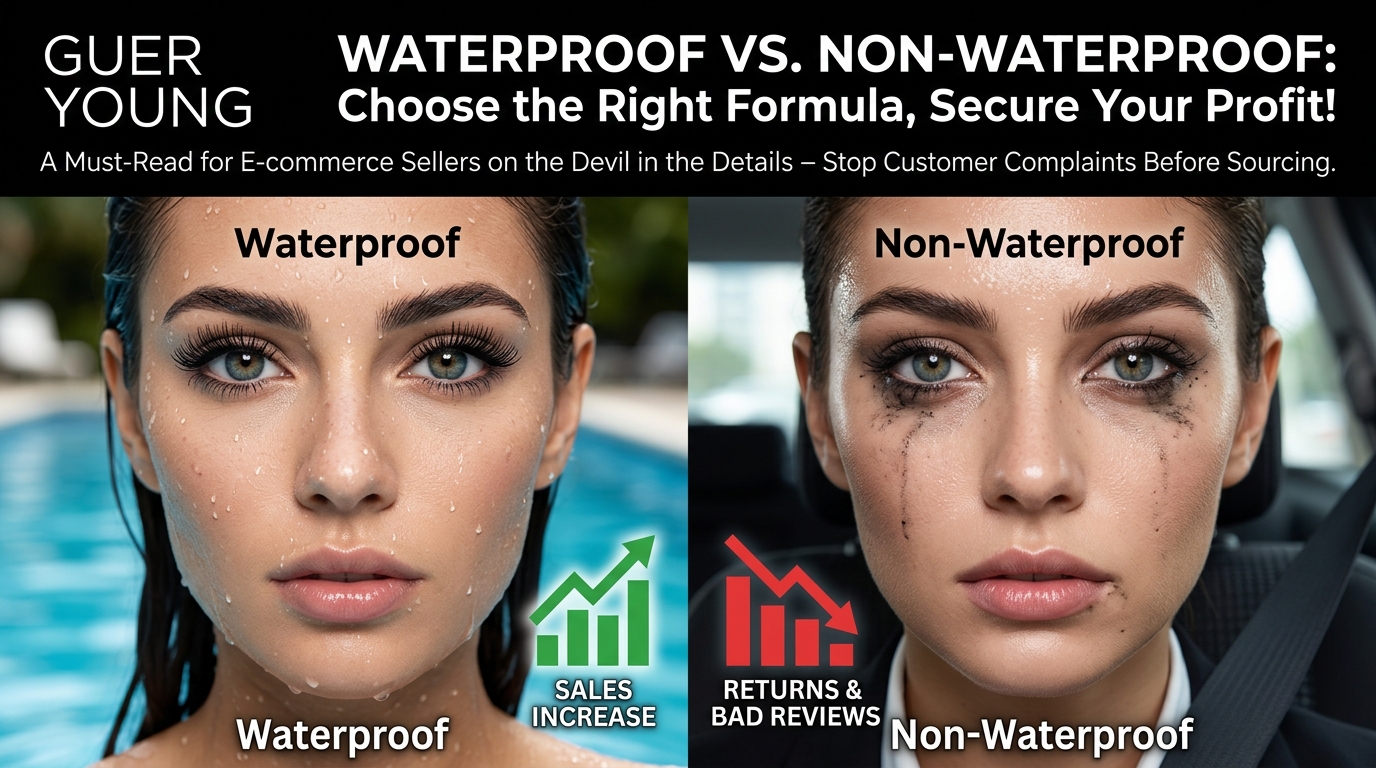
Choosing between waterproof and non-waterproof mascara is not just a matter of formula preference. For e-commerce sellers and beauty brand owners, the decision can affect product positioning, customer satisfaction, product returns, and the overall balance of a mascara collection.
Waterproof mascara is often chosen for its resistance to moisture and smudging, while non-waterproof mascara may appeal to shoppers who prioritize easy removal and everyday convenience. However, performance can vary between formulas, so neither option is automatically better for every customer.
In this guide, we compare the key differences between waterproof and non-waterproof mascara, explain how each type serves different consumer needs, and share practical tips for evaluating samples and selecting products for your target market.
1. Core Product Feature Differences
Before choosing mascara for your store, it helps to understand how waterproof and non-waterproof formulas differ. Looking beyond the product label can help you compare samples more effectively and identify products that match your customers' expectations.
1.1 Formula Composition
Waterproof mascara is generally formulated to resist water, humidity, and moisture. Depending on the formula, film-forming ingredients, waxes, and other components help the product adhere to lashes and maintain its finish during wear.
Non-waterproof mascara is typically designed to be easier to remove with water or a regular cleanser, although the exact removal experience depends on the formula. Some products focus on lightweight wear and everyday convenience, while others prioritize volume, length, or curl.
For e-commerce sellers, the important point is that the formula determines more than water resistance. It can also influence texture, application, removal, and the overall wearing experience.
When comparing samples, check the formula's stated benefits and test how the mascara applies, dries, and wears. Avoid assuming that all waterproof formulas perform alike or that every non-waterproof mascara is easy to remove.
1.2 Applicator and Brush Design
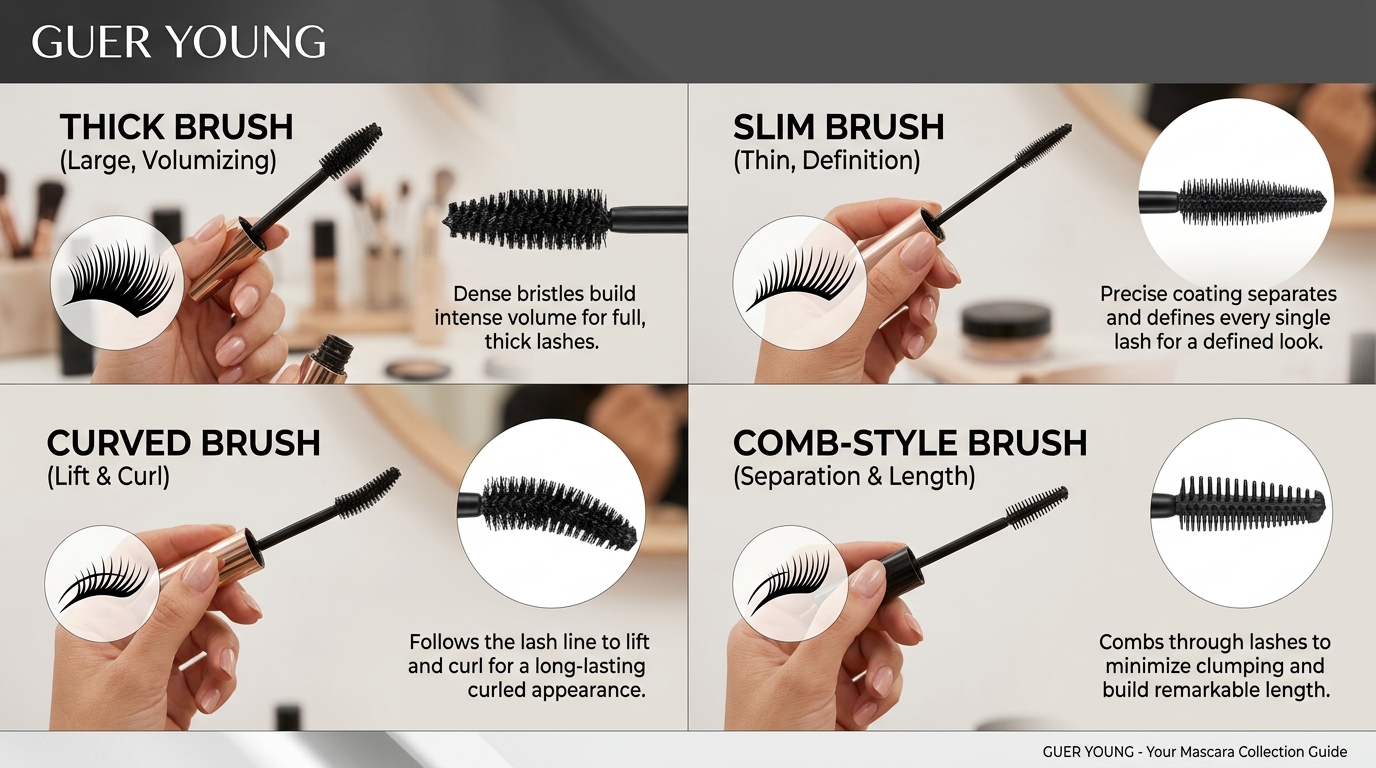
The brush plays an important role in how mascara performs. Even when two products have similar formulas, different applicator designs can create noticeably different lash effects.
Common brush designs include:
Thick brushes: Often used to build volume and create a fuller-looking lash effect.
Slim or fine brushes: Useful for reaching shorter lashes and improving separation.
Curved brushes: Designed to follow the lash line and help create a lifted appearance.
Comb-style brushes: Can help separate lashes and reduce the appearance of clumps.
Waterproof and non-waterproof mascara can both use these brush designs. The best choice depends on the intended effect, formula compatibility, and target customer.
When evaluating samples, look at how evenly the product coats the lashes, whether the brush reaches the inner and outer corners, and how easily users can build the desired effect. A suitable brush and formula combination can be more valuable than choosing a product based on one feature alone.
1.3 Key Product Features to Compare
When comparing waterproof and non-waterproof mascara, focus on the features that matter most to your target audience.
| Feature | Waterproof Mascara | Non-Waterproof Mascara |
Water resistance | Generally higher | Generally lower |
Smudge resistance | Often designed for stronger resistance | Depends on the formula |
Removal | May require a dedicated eye makeup remover | Often easier to remove |
Everyday convenience | Useful for long-wear needs | Often suitable for routine use |
Lash effects | Available in volumizing, lengthening, and curling options | Available in volumizing, lengthening, and curling options |
These are general tendencies rather than guaranteed results. Some non-waterproof formulas offer good smudge resistance, while waterproof products can differ in comfort, wear time, and removal difficulty.
For a more reliable comparison, evaluate each sample against specific criteria, including water resistance, wear time, smudge resistance, flaking, clumping, ease of application, and removal experience. This makes it easier to compare products based on performance rather than marketing claims alone.
2. Target Consumer Segments
Understanding who is likely to buy each type of mascara can help you make more informed product selection decisions. Instead of choosing a formula simply because it is popular, consider your customers' routines, preferences, and reasons for purchasing mascara.
2.1 Shoppers Who Prefer Waterproof Mascara
Waterproof mascara may appeal to shoppers who want their eye makeup to remain in place during activities that involve moisture, humidity, or extended wear.
Potential customer groups include:
Shoppers living in hot or humid climates.
Consumers who want mascara for outdoor activities or special occasions.
People who prioritize resistance to moisture and smudging.
Customers looking for long-wear makeup for busy days or events.
For these shoppers, water resistance is often an important selling point. However, it should not be the only factor considered. A formula that is difficult to apply, uncomfortable to wear, or challenging to remove may not deliver a satisfactory overall experience.
If your target market values long-lasting makeup, compare waterproof samples carefully and check whether the formula also meets expectations for lash separation, comfort, and removal.
2.2 Shoppers Who Prefer Non-Waterproof Mascara
Non-waterproof mascara may be a better fit for shoppers who prefer a straightforward daily makeup routine and a simpler removal process.
Potential customer groups include:
Consumers who wear mascara for work, school, or everyday activities.
Shoppers who prefer removing makeup with a regular cleanser.
Beginners who want a simple application and removal routine.
Customers who prioritize convenience over maximum water resistance.
These shoppers may still want defined, longer-looking, or fuller-looking lashes. Non-waterproof mascara is available in a wide range of effects, so choosing this type does not necessarily mean compromising on the desired lash look.
For sellers, the opportunity is to identify formulas that balance lash effects with convenient daily use. Product descriptions should clearly explain the intended benefits and avoid promising performance that the formula has not demonstrated.
2.3 Matching Mascara Types to Your Target Audience
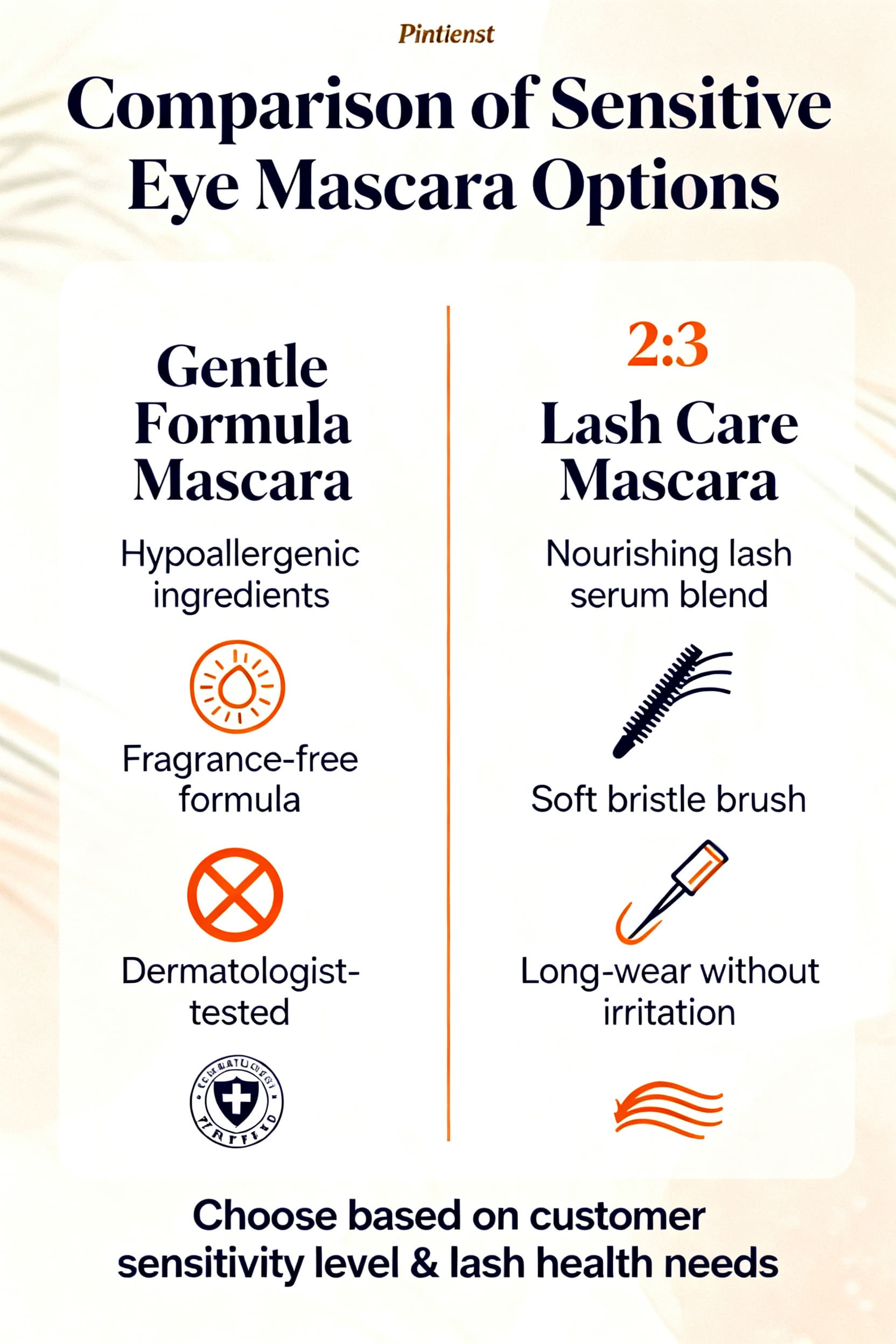
The right mascara assortment depends on your customers rather than a universal preference for one formula type.
Consider these questions when defining your target audience:
Climate and lifestyle: Do customers frequently deal with humidity, rain, exercise, or long days away from home?
Makeup habits: Do they prefer long-wear makeup or a quick everyday routine?
Desired lash effect: Are they looking for volume, length, curl, or natural definition?
Removal preferences: Are they comfortable using a dedicated eye makeup remover, or do they prefer a simpler routine?
Price positioning: Does your store focus on affordable everyday makeup, premium cosmetics, or a mix of both?
For example, a store serving customers who prioritize long-wear performance may place greater emphasis on waterproof mascara. A store focused on simple everyday beauty products may give more attention to non-waterproof options.
These are starting points, not fixed rules. Reviewing customer feedback, competitor listings, and product sample performance can help you refine your choices before committing to a larger order.
3. Wear Time and Performance Comparison
Water resistance is only one part of mascara performance. Wear time, smudge resistance, flaking, and clumping can all affect how customers judge a product. Comparing these factors helps sellers look beyond the headline claim on the packaging.
3.1 Wear Time and Smudge Resistance
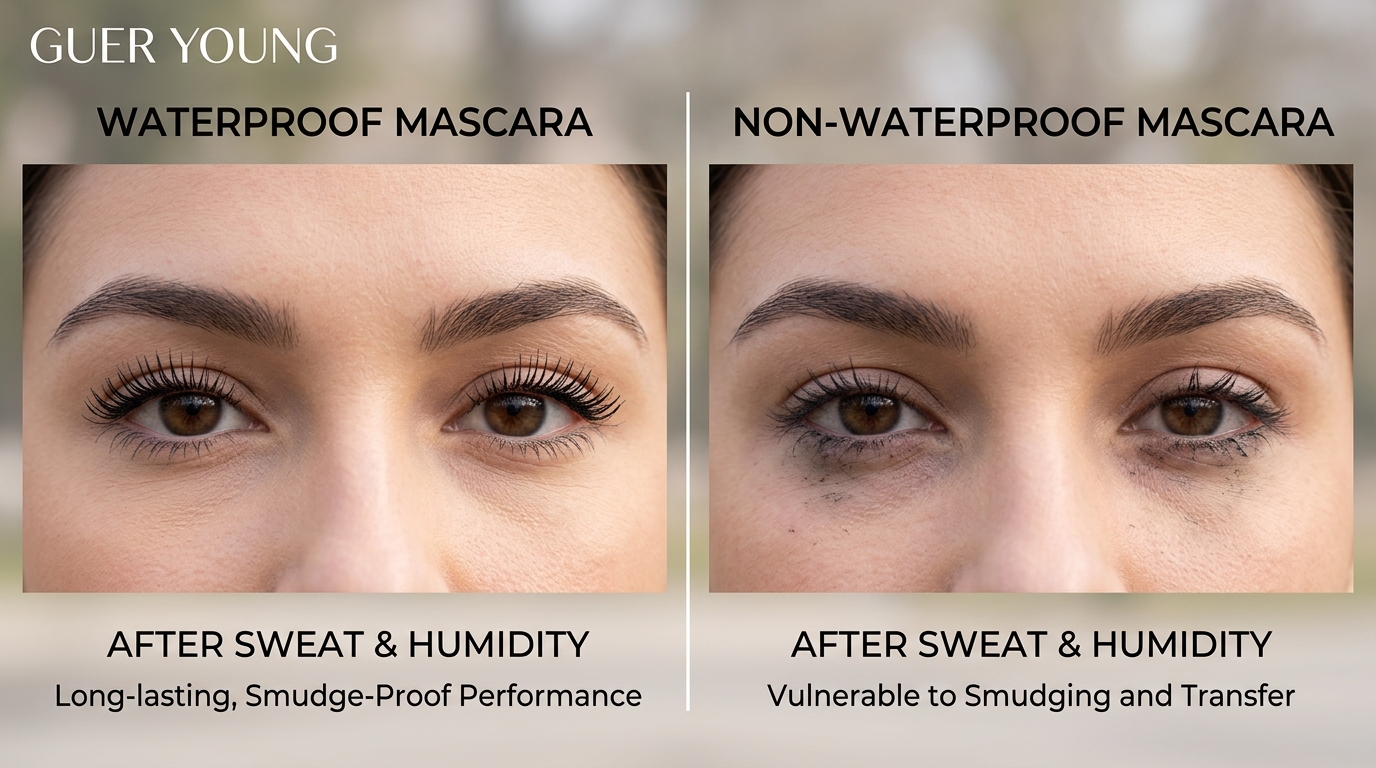
Waterproof mascara is generally designed to maintain its finish when exposed to moisture. This can make it a suitable option for customers who want makeup that stays in place through humid weather or extended wear.
Non-waterproof mascara may be more vulnerable to water or moisture, but its performance varies by formula. Some products are designed to resist smudging even without being fully waterproof.
When testing samples, check how the mascara looks after several hours of wear. Look for transfer beneath the eyes, fading, loss of definition, and changes in the lash finish.
For a fair comparison, use the products under similar conditions and follow the same application steps. If possible, evaluate them on more than one occasion rather than relying on a single test.
Remember that wear time can vary with skin type, eye area conditions, application technique, and environmental factors. Avoid using a fixed number of hours in product claims unless the performance has been properly tested and substantiated.
3.2 Flaking and Clump Control
Flaking and clumping are common concerns for mascara shoppers, regardless of whether the formula is waterproof.
Flaking occurs when small pieces of dried mascara separate from the lashes and fall onto the surrounding skin. Clumping happens when mascara builds up unevenly, causing lashes to stick together or appear less defined.
Both issues can affect the perceived quality of a product. A mascara may offer strong water resistance but still disappoint customers if it creates visible clumps or flakes during wear.
During sample evaluation, check:
Whether the formula applies evenly from root to tip.
Whether additional coats create volume without excessive buildup.
Whether lashes remain separated after the product dries.
Whether visible flakes appear during normal wear.
Whether the brush makes application easy to control.
The aim is to identify a product that performs consistently, not simply one that has the strongest waterproof claim. Clear evaluation criteria can also help you compare different formulas before choosing products for your store.
3.3 Performance in Different Use Scenarios
A mascara that works well for one customer may not be the best option for another. Considering common use scenarios can help you decide which performance features deserve priority.
| Features to Prioritize | |
Hot or humid weather | Water resistance and smudge resistance |
Long workdays or events | Wear time and stable lash definition |
Everyday makeup | Easy application and convenient removal |
Natural-looking makeup | Lash separation and lightweight definition |
Fuller lash effects | Buildable volume and clump control |
These scenarios can guide product selection, but they should not replace actual sample testing. A formula's performance depends on its composition and application, not just its waterproof or non-waterproof label.
For e-commerce sellers, matching product features to real customer needs also makes product pages more useful. Instead of relying on broad claims such as "best mascara," explain the specific benefits customers can reasonably expect from the product.
4. Removal Experience and Lash Care Considerations
Mascara removal is part of the overall product experience. A formula may perform well throughout the day, but customers may be less satisfied if removing it requires excessive rubbing or feels inconvenient.
When comparing products, consider both makeup performance and how easily customers can complete their daily removal routine.
4.1 Removing Waterproof Mascara
Because waterproof mascara is designed to resist moisture, it may not come off easily with water alone. Many waterproof formulas are better removed with a suitable eye makeup remover, such as an oil-based or bi-phase product, depending on the formula and the remover's instructions.
For shoppers, clear removal guidance can help set realistic expectations before purchase.
For sellers, it is useful to check:
Whether the product label provides clear removal instructions.
Whether the mascara can be removed without excessive rubbing when the recommended method is followed.
Whether the removal process leaves noticeable residue.
Whether the product's performance claims are balanced with practical usage guidance.
Avoid assuming that every waterproof mascara requires the same remover. The most suitable method depends on the formula, and the product's own instructions should take priority.
4.2 Removing Non-Waterproof Mascara
Non-waterproof mascara is often easier to remove with water or a regular cleanser, although this depends on the specific formula. Some products may still require a dedicated remover to clear residue effectively.
For customers who wear mascara daily, a simpler removal process can be an important product benefit. It may make the product more appealing to shoppers who value convenience and a quick nighttime routine.
When evaluating samples, observe how the mascara breaks down during removal and whether residue remains around the lashes. Follow the recommended removal method and avoid aggressive rubbing during testing.
Product descriptions should also be precise. Rather than stating that all non-waterproof mascara washes off effortlessly, explain the removal experience demonstrated by the specific product.
4.3 Evaluating Removal Ease and User Experience
Removal should be evaluated alongside application and wear performance, not treated as an afterthought.
A practical sample evaluation can include the following steps:
Apply the mascara according to the product instructions.
Observe how the product applies and dries.
Check for smudging, flaking, and clumping during wear.
Remove the mascara using the recommended method.
Assess the effort required, any remaining residue, and the overall user experience.
Also consider the balance between long-wear performance and removal convenience. Some customers may accept a more involved removal routine in exchange for stronger water resistance, while others may prefer a formula that is easier to remove.
For sellers, the goal is to understand these trade-offs and choose products that align with the expectations of the intended customer group. Avoid making medical or lash-growth claims based solely on a mascara's removal characteristics.
5. E-Commerce Selection and Sourcing Guide
Once you understand the product differences and target customer needs, the next step is to evaluate samples and decide which products deserve a place in your store. A structured selection process can reduce guesswork and help you build a more consistent mascara assortment.
5.1 How to Evaluate Waterproof and Non-Waterproof Mascara Samples
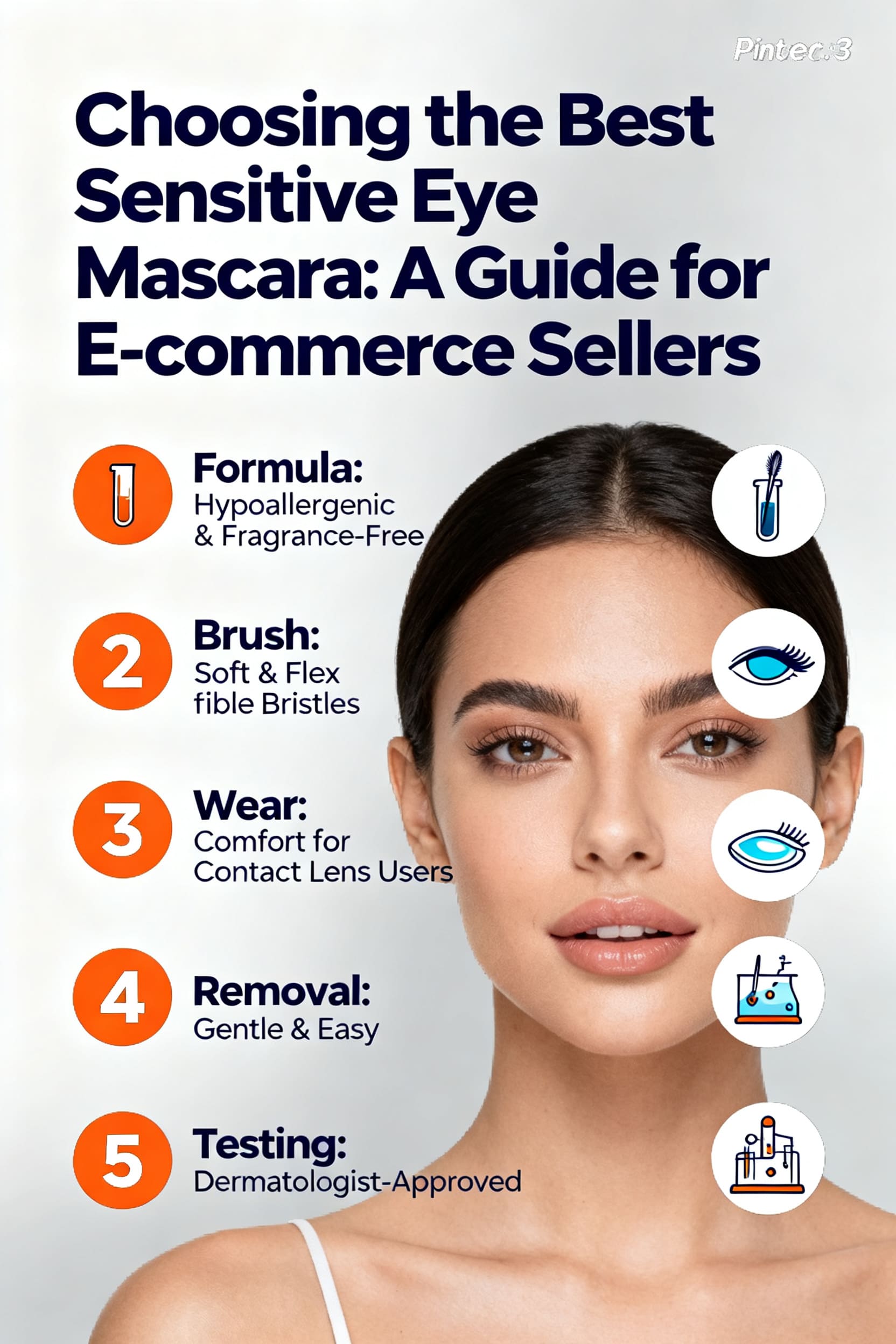
Before placing a bulk order, compare samples using the same evaluation criteria. This is more reliable than choosing based only on packaging, price, or a supplier's product description.
Use a checklist such as the following:
Formula performance: Does the product deliver the expected waterproof or non-waterproof performance?
Application: Does the formula spread evenly, and is it easy to control?
Brush compatibility: Does the applicator support the intended lash effect?
Wear performance: Does the mascara maintain its appearance under the conditions relevant to your customers?
Flaking and clumping: Does the product remain reasonably clean and defined during wear?
Removal experience: Can customers remove it using the recommended method without unnecessary effort?
Consistency: Do repeat samples demonstrate similar texture, application, and results?
Where possible, test products under comparable conditions and record the results. This makes it easier to compare several options and explain why one sample is a better fit for your store.
You should also review product documentation and any available test information relevant to your market. Requirements vary by destination, so confirm applicable documentation and compliance expectations before ordering.
5.2 Building a Balanced Mascara Lineup
Offering both waterproof and non-waterproof mascara can help a store address different customer preferences. However, adding more products is not automatically better. Each item should serve a clear purpose within your assortment.
A practical starting point is to define products by their primary benefit:
Waterproof mascara: For shoppers who prioritize resistance to moisture and smudging.
Non-waterproof mascara: For shoppers who prefer everyday convenience and easier removal.
Volumizing mascara: For customers who want fuller-looking lashes.
Lengthening mascara: For customers who want lashes to appear longer and more defined.
Curling mascara: For customers who prioritize a lifted or curled appearance.
These categories can overlap. For example, a waterproof volumizing mascara may serve customers who want both fuller-looking lashes and stronger moisture resistance.
If you are building a new product line, start with a focused selection that reflects your target audience and price range. Review sales performance and customer feedback before expanding into additional formulas or lash effects.
This approach helps avoid an assortment with too many similar products and makes it easier for customers to understand the differences between your listings.
5.3 Sourcing and Supplier Selection Tips
Choosing a suitable supplier involves more than comparing unit prices. Product consistency, sample quality, communication, documentation, and the supplier's ability to support your intended product range can all influence the purchasing decision.
Before placing an order, consider asking the supplier:
Can you provide samples for formula and brush evaluation?
What product options are available, including waterproof, non-waterproof, volumizing, lengthening, and curling formulas?
What are the minimum order quantities and available customization options?
What product documentation can you provide for the intended market?
How do you manage quality checks and batch consistency?
What are the lead times for samples and bulk orders?
Evaluate the answers alongside your own sample results. A supplier's claims should support, not replace, your product testing and due diligence.
At GUER YOUNG, we offer finished eye makeup products for beauty brands and e-commerce sellers exploring options for their markets. When comparing mascara suppliers, focus on formula performance, brush compatibility, product consistency, and how well the available options fit your target customers.
Choosing the Right Mascara for Your Market
Finding the right mascara involves more than comparing waterproof performance. Formula, brush design, wear experience, removal convenience, and your customers' preferences all play a role in product selection.
At GUER YOUNG, we offer finished eye makeup products for beauty brands and e-commerce sellers exploring options for their markets.
Explore our mascara products to find the right fit for your brand.


andy.li@gueryoung.com

We have 10 years of experience, focusing on the development and sales of high quality eyelash growth serum, mascara, eyebrow gel, eyebrow color and other products. We also offer custom services, from tube
design to cosmetic fillings and packaging


Room 1, C3 Factory Building, No.8803 Zhuhai Avenue, Lianwan Industrial Zone, Pingsha Town, Gaolan Port Economic Zone, Zhuhai, Guangdong,China
QUICK LINKS
D Zone,5/F, NO.8 CuiZhu 5th Street,
Qianshan Xiangzhou District,Zhuhai,
Guangdong,China,519070

lynn.zhou@gueryoung.com
winnie.zhong@gueryoung.com
niki.xu@gueryoung.com